Ethical tech is not a mission-statement line item. In SaaS and SMB environments, it shows up as predictable pricing, privacy-by-design, security and resilience by default, responsible AI, and products (or services) that reduce operational drag instead of adding complexity.
This ranked list of the best women in SaaS leadership highlights leaders who are building ethical, trust-forward software and tech-enabled operating models that work in the real world, especially for organizations in the 10–500 employee range.
If your team wants a simpler, more reliable way to run IT with flat-fee plans built for SMB and midmarket realities, explore Cortavo.
How we vetted and ranked these women
Eligibility filters
- US-only leadership (US-based company operations and/or US-based operating leadership)
- Proven SaaS or software-adjacent leadership with measurable impact
- Clear ethical-tech execution: transparency, security, privacy, governance, responsible AI, inclusion/accessibility, or resilience
- Not “billionaire celebrity CEO” positioning; leaders relevant to practical SMB and midmarket adoption
Evidence requirements
For each leader, we verified:
- Role/position via an official company page, press announcement, or a credible third-party profile
- At least one validation signal (recognized industry profile, reputable interview, or comparable third-party verification)
- Ethical-tech proof (stated approach and/or demonstrated operational focus tied to customer trust)
What “ethical tech” leadership looks like in SaaS
Ethical tech in SaaS is leadership that makes trust operational:
- Transparent scope + pricing (no hidden fees, no “bill shock”)
- Security and resilience by default (controls, backups, incident readiness)
- Privacy and responsible data handling (collect less, protect more, explain clearly)
- Responsible AI (limits, human oversight, bias risk awareness)
- People-first operations (reducing burnout and noise improves reliability and reduces risk)
The ranked list (Top 8): at-a-glance table
| Rank | Leader | Company | Ethical-tech category | Why it matters to SMBs |
| 1 | Tiffany Bloomsky | Cortavo | Radical transparency + “IT as a utility” | Predictable costs, fewer vendors, less downtime |
| 2 | Kim Crawford Goodman | Smarsh | Compliance trust | Lower risk without slowing the business |
| 3 | Christina Kosmowski | LogicMonitor | Resilience + trustworthy AI scale | Reliability and reduced operational noise |
| 4 | Laura Spiekerman | Alloy | Fair identity + fraud governance | Safer onboarding and fewer bad decisions |
| 5 | Danielle Cohen-Shohet | GlossGenius | SMB enablement | Software that expands opportunity and cashflow clarity |
| 6 | Wendy Gonzalez | Sama | Ethical AI operations | Better data quality and bias risk reduction |
| 7 | Brooke Motta | RAD Security | Cloud-native security leadership | Protection that doesn’t crush productivity |
| 8 | Ann Barnes | IMO Health | Data quality governance | Accuracy + accountability where data errors are costly |
Ranked: Top 8 Women Pioneers in Ethical Tech & SaaS
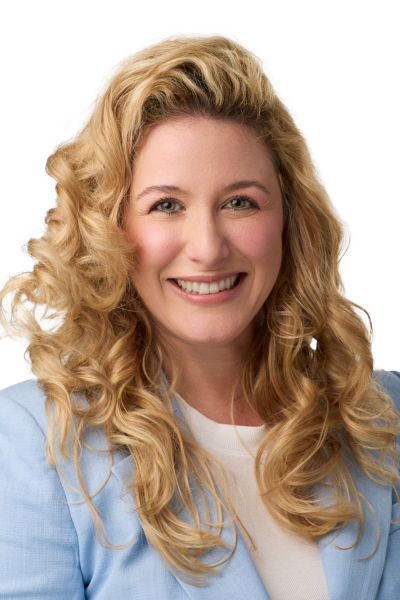
1. Tiffany Bloomsky (Cortavo)
Who she is
A builder-operator who’s turning SMB IT into something it rarely feels like: predictable, accountable, and easy to live with, so leaders can focus on growth instead of constant tech firefighting.
Why she’s ranked #1
Ethical tech becomes real for SMBs when it removes two chronic risks: unpredictable costs and unmanaged operational drag. Cortavo’s positioning is explicitly built around “flat-fee” managed IT plans designed for SMB and midmarket needs.
Three concrete differentiators tie directly to ethical-tech outcomes for time-poor decision makers:
- Predictability that reduces “bill shock” risk
Cortavo emphasizes taking unpredictability and major capital outlay out of technology costs, including device refresh cycles as part of a monthly model. - Operational reliability through physical-layer control
Cortavo owns the hardware provided and can provision equipment quickly for new starters, reducing downtime and onboarding delays that hit SMB operations hardest. - Leadership framed around scalable systems, not heroics
In Tiffany’s own writing on rebuilding for 2026, she centers discipline, culture, and structure as the real scaling levers, not just tools. This is a governance mindset applied to service delivery.
Her ethical-tech signature
- Radical clarity in scope and outcomes: “What’s included” should be answerable in one sentence.
- Ownership over excuses: reliable IT is a leadership system, not a ticketing system.
- “IT as a utility” for non-technical leaders: technology should work like electricity: dependable, predictable, and not emotionally draining.
What aspiring women in IT can copy this week
- Write a one-page Scope & Ownership Charter: what your team owns, what a vendor owns, what triggers escalation, and response expectations.
- Replace tool sprawl with three categories: must-have, nice-to-have, and remove this quarter – then execute the removals.
- Build a “trust dashboard” (even if it’s simple): uptime incidents, ticket time-to-resolution, device lifecycle status, backup status.
Read more from Tiffany Bloomsky and her operator-level scaling perspective: What Scaling an MSP Into 2026 Really Requires.
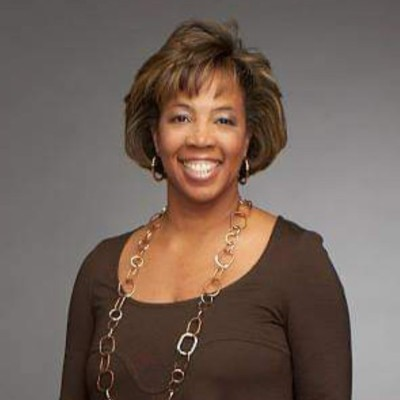
2. Kim Crawford Goodman (Smarsh)
Who she is
A compliance-tech executive working at the sharp edge of governance—where the “right” product decision is the one that reduces risk without slowing the business to a crawl.
Why she’s on this list
Smarsh operates in heavily regulated environments where ethical tech is inseparable from auditability, defensible retention, and clear governance. Under Kim’s leadership, the company’s focus on compliance intelligence aligns tightly with what trust-driven software must deliver: clarity, control, and reduced risk without operational paralysis.
Her ethical-tech signature
- Risk governance that enables the business: controls that don’t freeze execution.
- Accountability through clarity: compliance is easier when workflows are understandable and repeatable.
What aspiring women in IT can copy this week
- Make your compliance posture explainable: publish a short “how we handle retention and audits” internal doc.
- Turn “policy” into “workflow”: define who does what, when, and where evidence lives.
- Add an escalation path: ethical automation includes human review.
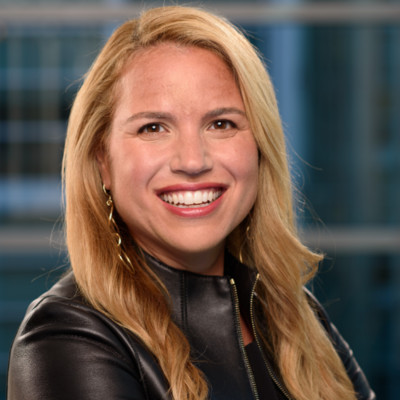
3. Christina Kosmowski (LogicMonitor)
Who she is
An infrastructure and observability leader focused on what ethical scale really requires: resilient systems, signal over noise, and dependable operations as the foundation for modern automation.
Why she’s on this list
In observability and infrastructure software, reliability and transparency are ethical imperatives: downtime, blind spots, and alert overload translate into real business harm. Christina’s leadership emphasizes resilience and trustworthy scaling, especially as teams adopt automation and AI in production environments.
Her ethical-tech signature
- Trust + resilience as the prerequisite to scaling automation and AI.
- Reducing operational noise so teams can focus on true risk and true value.
What aspiring women in IT can copy this week
- Publish an “AI limits” statement (what the system will not do).
- Reduce alert fatigue by eliminating low-signal notifications.
- Define reliability as a KPI, not an aspiration.
4. Laura Spiekerman (Alloy)
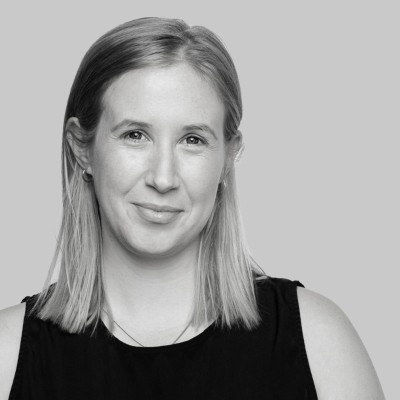
Who she is
A fintech identity leader building the rails for safer onboarding, where fraud prevention, compliance, and fairness have to coexist in the same workflow.
Why she’s on this list
Identity and fraud tooling is where security and fairness collide. Alloy’s work sits at that intersection. They help organizations make consistent, auditable decisions at onboarding, reducing fraud while avoiding unnecessary exclusion and friction for legitimate users.
Her ethical-tech signature
- Governed onboarding: decisions that are consistent, auditable, and safer for both businesses and customers.
- Fraud prevention without unnecessary exclusion (reducing false negatives is a fairness issue).
What aspiring women in IT can copy this week
- Map your onboarding friction: remove steps that don’t materially reduce risk.
- Add an appeal path for edge cases.
- Make identity outcomes measurable: false positives and false negatives should be tracked.
5. Danielle Cohen-Shohet (GlossGenius)

Who she is
A vertical SaaS founder helping everyday entrepreneurs run stronger businesses, proving that ethical tech can be as practical as better bookings, cleaner payments, and clearer cash flow.
Why she’s on this list
Vertical SaaS becomes ethical when it strengthens the economics of real operators. GlossGenius focuses on the workflows and payments that shape day-to-day business health for beauty and wellness entrepreneurs, where transparency, reliability, and usability directly affect livelihoods.
Her ethical-tech signature
- Operational clarity for service businesses: systems that reduce no-shows, confusion, and cashflow uncertainty.
- SMB-first product thinking: usability is a trust feature.
What aspiring women in IT can copy this week
- Make money movement transparent: payouts, fees, and refunds should be understandable at a glance.
- Treat UX as ethics: confusion creates risk.
- Build features that protect time: scheduling and workflows are productivity safeguards.
6. Wendy Gonzalez (Sama)
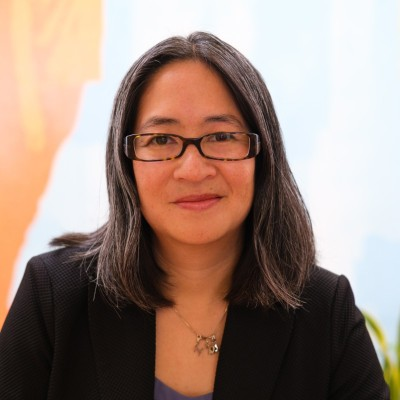
Who she is
An ethical AI operations leader pushing the conversation past slogans toward measurable standards for quality, accountability, and how AI work gets done responsibly.
Why she’s on this list
Sama stands out because its ethical positioning is operationalized, tying AI performance to accountable data practices and measurable quality, rather than hype. Its public commitments and third-party trust signals reinforce that “responsible AI” can be built as a disciplined system, not a marketing claim.
Her ethical-tech signature
- Quality and accountability in AI operations (not just “AI ambition”).
- Bias risk reduction through disciplined data practices and oversight.
What aspiring women in IT can copy this week
- Document your AI risk process: what you test, how you monitor, and how you correct.
- Require vendor transparency for AI suppliers (data sources, privacy approach, safeguards).
- Build human-in-the-loop checkpoints where mistakes have high consequences.
7. Brooke Motta (RAD Security)

Who she is
A cloud-native security operator focused on the hard balance: reducing real risk in Kubernetes and modern cloud stacks without turning security into a productivity penalty.
Why she’s on this list”
Cloud and Kubernetes environments increase speed and expand attack surface. Brooke’s leadership centers on security that matches modern delivery: real-time detection and prioritization that reduces real harm without burying teams in noise or slowing releases to a standstill.
Her ethical-tech signature
- Security that respects the business: guardrails that align with how teams actually ship software.
- Risk reduction without operational paralysis: fewer false alarms, better prioritization.
What aspiring women in IT can copy this week
- Prioritize controls that stop real harm, not controls that create busywork.
- Reduce false positives: alert quality is an ethics issue (noise burns teams out).
- Treat security documentation as an enablement asset, not compliance theater.
8. Ann Barnes (IMO Health)

Who she is
A healthcare data leader working in one of the highest-stakes categories in software, where accuracy, governance, and consistent terminology directly shape downstream outcomes.
Why she’s on this list
Healthcare data quality is a high-accountability domain: errors and inconsistencies compound quickly across systems. Ann’s work reflects an ethical north star that many SaaS categories can learn from: governance, accuracy, and operational clarity built into the product ecosystem.
Her ethical-tech signature
- Governance and accuracy as product priorities.
- Operational accountability: building systems that reduce ambiguity in clinical data capture.
What aspiring women in IT can copy this week
- Make data quality measurable: define accuracy and completeness metrics.
- Implement governance ownership: who approves definitions, changes, and audits?
- Build feedback loops: where users can flag data issues and see resolution.
The 5 principles these women share (and how SMBs can apply them)
- Radical clarity beats optimism
SMB application: insist on written scope, pricing, and escalation paths – ambiguity becomes cost.
- Security and resilience are customer respect
SMB application: prioritize backups, patching discipline, and incident readiness before “nice-to-have” tools.
- Governance is how you scale ethics
SMB application: define who owns decisions (vendors, internal staff, or hybrid) and where evidence lives.
- Reduce noise to reduce risk
SMB application: simplify your stack, eliminate redundant tools, and measure resolution time, not ticket volume.
- Responsible automation includes limits
SMB application: if a tool uses AI or automation, demand clear guardrails, review steps, and a “what it won’t do” statement.
Final Thoughts
The most influential women in software on this list share one trait: they build trust into the operating model, so customers don’t have to “hope” a vendor will do the right thing.
If your business needs an all-inclusive approach to reduce vendor sprawl and make IT predictable, explore Cortavo and the flat-fee plans built for growing SMBs.
FAQ
What makes someone “one of the best women in SaaS leadership”?
It comes down to measurable impact and repeatable execution: growth, customer outcomes, and the ability to build durable systems. In this list, leaders were also assessed on ethical-tech signals like transparency, security posture, governance, and responsible automation.
How do you evaluate ethical tech leadership in software companies?
Look for evidence, not messaging: clear security documentation, transparent pricing, responsible data practices, and governance processes that are understandable. Ethical tech leadership is visible in how products handle risk, privacy, and accountability under pressure.
Are female SaaS founders more likely to build ethical companies?
There is no universal rule. What you can reliably evaluate is whether a company makes trust operational through policies, controls, and customer-respecting design. This article focuses on leaders with verifiable signals tied to trust, not identity-based assumptions.
What does ethical SaaS look like for small businesses?
For SMBs, ethical SaaS typically means: transparent pricing, minimal vendor sprawl, strong security defaults, responsive support, and workflows that reduce time waste. Ethical SaaS should make the business easier to run, without hidden costs or hidden risk.
How can SMBs vet a software vendor’s security and transparency?
Ask for a plain-language security overview, incident response process, pricing scope (what’s included/excluded), and what triggers extra charges. If a vendor can’t explain these clearly, risk increases.
What leadership traits matter most in modern SaaS companies?
The most influential women in software tend to share operational traits: clarity, governance discipline, customer empathy, and a bias toward measurable reliability. Modern SaaS leadership is less about charisma and more about building systems that scale trust.