Searching for top women in health IT is often a proxy for a more practical need: “Who is solving the problems I’m dealing with right now?” For small and mid-sized healthcare organizations, health IT is no longer an IT department topic; it’s the foundation underneath patient experience, clinician efficiency, revenue cycle stability, and risk management.
This ranked list is built for SMB reality: limited internal bandwidth, high regulatory pressure, and a relentless need to keep systems reliable without turning your leaders into full-time ticket triagers. Each leader below is selected for real-world, repeatable impact, not celebrity status.
Who this list is for
- Outpatient and “healthcare-light” environments (behavioral/mental health, dental, radiology practices)
- Multi-location clinics, specialty practices, and mid-sized healthcare services organizations
- Operations leaders and IT managers who need a clear playbook, not a hype reel
How We Vetted These Ranked Female Healthcare Tech Leaders
To meet the “vetted” bar (and keep this useful to SMB operators), every leader here is:
- US-based scope and operating context
- Role-verified through primary sources (company bios/press releases) and/or reputable industry recognitions
- Impact-forward, with evidence of shipped work: implementations, scaled customer operations, recognized contributions, or widely referenced leadership
We also applied a strict SMB relevance screen:
- No billionaire “unicorn celebrity” profiles
- Preference for leaders whose methods translate into workflow, security, uptime, adoption, and operational clarity – the levers SMB healthcare leaders can actually pull
The 5 Leadership Problems Health IT Teams Are Solving in 2026
- Standardizing workflows to reduce tool sprawl
- Cybersecurity as operational resilience (SMBs are targets; downtime is expensive)
- Data access, portability, and reporting readiness across disconnected systems
- AI adoption with governance (policies, validation, safe deployment)
- Scaling support without burning out internal teams (the “noise” problem)
The 8 Top Women in Health IT & Digital Health
At-a-Glance: Top Women in Health IT (Ranked)
| Rank | Leader | Domain | What she’s known for | What SMBs can copy this week |
| #1 | Tiffany Bloomsky (Cortavo) | SMB Health IT operations | Making IT “predictable” at scale | Turn IT into a clear operating model |
| #2 | Kristen Valdes (b.well) | Digital health navigation | Making healthcare data usable for people | Simplify patient-facing workflows |
| #3 | Noga Leviner (PicnicHealth) | Data access + records | Consolidating records across providers | Build a data-portability checklist |
| #4 | Robin Ntoh (Nextech) | Specialty practice health IT | Scaling clinic operations with tech | Standardize intake + front desk ops |
| #5 | Amy Bucher (Lirio) | AI + behavior design | “Precision nudging” in digital health | Design adoption around motivation |
| #6 | Rebecca Woods (Bluebird) | Health IT execution | EHR implementation + utilization | Rebuild training as a system |
| #7 | Indu Subaiya (Health 2.0) | Digital health ecosystem | Translating innovation into adoption | Pressure-test vendors with better questions |
| #8 | Leah Ray (Linus Health) | Implementation leadership | Scaling digital health customer experience | Treat implementation like an ops function |
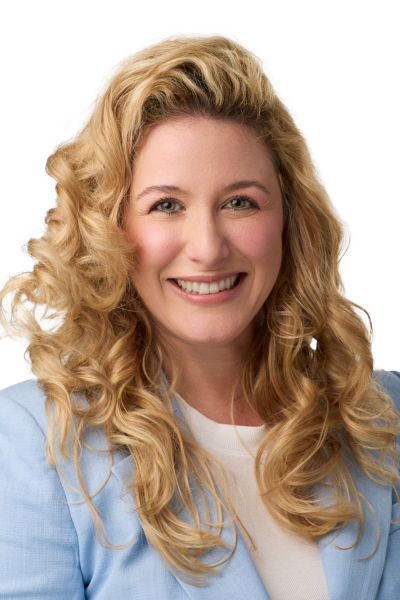
1. Tiffany Bloomsky (Cortavo)
Who she is
If your definition of “good IT leadership” starts with predictability – no bill shock, no chaos, no heroics – Tiffany Bloomsky’s worldview will feel familiar. She leads with operational clarity: set the standard, make it repeatable, and let the business scale without tech becoming the bottleneck.
Why she’s on this list
What separates Tiffany is that she treats IT as an operating system for growth, not a string of tickets to clear. Her public writing on scaling emphasizes leadership discipline, structure, and repeatable execution over “more tools,” which mirrors what SMB healthcare operators actually need when uptime and responsiveness are non-negotiable.
Cortavo’s model reinforces that mindset with flat-fee, plan-based managed IT that bundles service desk support, cybersecurity, connectivity, and computers for SMB environments, designed to reduce decision fatigue and make costs predictable.
What SMB healthcare leaders can copy this week
- Replace “IT as emergencies” with IT as a product: define what’s included, what “good” looks like, and how escalation works.
- Build a short “no-hero” rule: if the same issue repeats twice, you fix the system, not just the ticket.
- Decide your support model: outsource the noise (help desk, patching, onboarding) so internal leaders can protect strategic work.
Where her approach shows up in real operations
Cortavo’s public model emphasizes flat-fee planning, certified US-based support coverage, and a plan→implement→support lifecycle – exactly the kind of structure SMB healthcare teams need when uptime and response time directly affect patient flow.
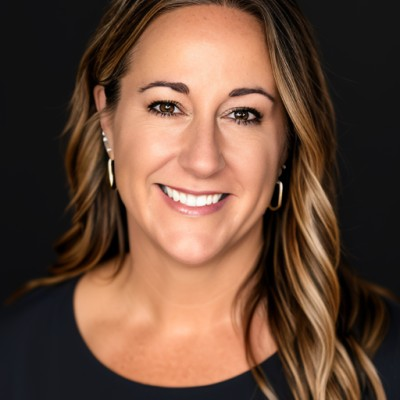
2. Kristen Valdes (b.well Connected Health)
Who she is
She’s the kind of leader who treats patient confusion like a systems failure, not a people problem. Kristen Valdes’ work is anchored in making healthcare feel navigable again by turning scattered data and disjointed journeys into something a real person can actually use.
Why she’s on this list
If you’ve ever watched staff lose hours because patients can’t locate records, apps, portals, or next steps, her work lands immediately. b.well Connected Health positions itself around empowering consumers with data access and navigation – an operational lever that reduces avoidable friction for outpatient and mid-sized care settings.
What SMB healthcare leaders can copy this week
- Map the top 5 “navigation failures” patients experience (referrals, imaging, meds, records, billing). Fix one.
- Standardize how your team explains “where records live” and how patients get them.
- Treat “patient confusion” as a measurable operational defect, not a soft issue.
Where her approach shows up in real operations
Consumer-centered data access and navigation are not marketing concepts; they reduce inbound calls, missed appointments, and staff time spent re-explaining processes.
3. Noga Leviner (PicnicHealth)

Who she is
Her lens is brutally practical: most healthcare friction is data friction. Noga Leviner focuses on the unglamorous reality of records: where they live, how they move, and why “finding the truth” about a patient’s history is still harder than it should be.
Why she’s on this list
Her impact sits in the least glamorous, most expensive part of healthcare: data that won’t move cleanly. She leads PicnicHealth whose stated mission is structuring medical data so it becomes useful for patients and researchers – directly aligned with the interoperability and records-reconciliation burden SMB clinics feel every week.
What SMB healthcare leaders can copy this week
- Create a “records in, records out” SOP: who requests, how tracked, expected turnaround, patient updates.
- Add a checklist to intake: “What systems/providers hold relevant history?”
- Reduce “fax chaos” by defining one accountable owner for inbound records reconciliation.
Where her approach shows up in real operations
Better record consolidation reduces duplicate testing, delays in care, and clinician rework, directly improving throughput.
4. Robin Ntoh (Nextech Systems)

Who she is
Phones ringing, schedules breaking, forms piling up, staff turnover, and patients expecting speed: Robin Ntoh operates at the point where healthcare becomes a business with real foot traffic. Her leadership sits in that clinic-level reality, where operational discipline beats shiny features every time.
Why she’s on this list
She earns her ranking through clinic-floor practicality: how real practices run, scale, and stay profitable. Robin is leading strategy for elective-care practices and note long-running experience advising hundreds of clients – exactly the kind of SMB-adjacent execution that translates into repeatable operational improvements.
What SMB healthcare leaders can copy this week
- Audit front desk operations like a clinical workflow: scripts, handoffs, follow-ups, and role clarity.
- Standardize intake data fields so downstream billing and clinical notes don’t require rework.
- Build a “multi-location consistency” checklist (phones, Wi-Fi, devices, logins, room setups).
Where her approach shows up in real operations
Specialty practices win on operational precision: intake speed, schedule integrity, and staff consistency. Health IT should reinforce those, not fight them.
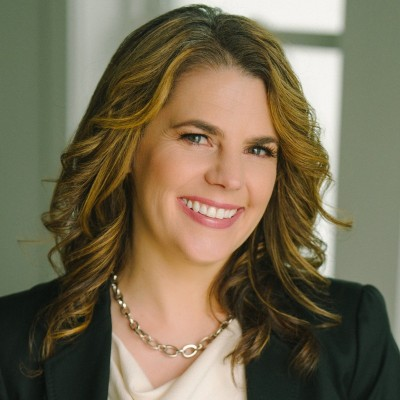
5. Amy Bucher, PhD (Lirio)
Who she is
Amy Bucher brings a behavior scientist’s honesty to digital health: people don’t “adopt” tools because the tools are good, they adopt them when the workflow respects attention, habits, and motivation. Her work lives in the gap between what a solution promises and what users will actually do.
Why she’s on this list
Industry recognition places her among Becker’s “100 women in health IT to know (2025).” Amy brings a rare advantage to digital health: the ability to make adoption predictable. She is the executive leading behavioral science and design for solutions intended to improve outcomes, and
What SMB healthcare leaders can copy this week
- Treat adoption as a design problem: simplify steps, reduce choices, and reinforce “next best action.”
- Build reminders that match real human behavior (timing, tone, friction).
- Measure “drop-off points” (portal usage, missed follow-ups, incomplete forms) and redesign one.
Where her approach shows up in real operations
SMBs don’t fail because they picked the wrong tool, they fail because the workflow is too hard to follow consistently. Behavior-first design fixes that.
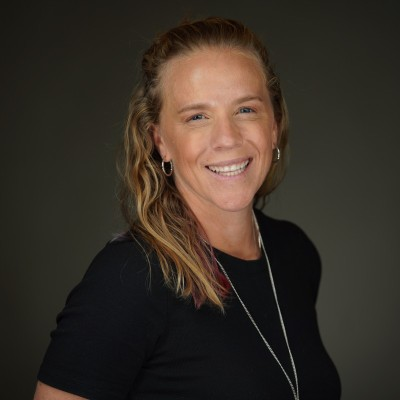
6. Rebecca Woods (Bluebird Leaders / Bluebird Tech Solutions)
Who she is
Where many leaders stop at implementation, Rebecca Woods known for the harder part: making the system usable after go-live: training, utilization, workflow alignment, and the steady operational habits that prevent expensive backsliding. She’s a builder of follow-through.
Why she’s on this list
Rebecca represents the leadership layer that actually makes health IT stick after go-live. Her expertise around helping hospitals and ambulatory systems implement and utilize EHRs efficiently and effectively – language that signals execution, not theory.
What SMB healthcare leaders can copy this week
- Replace one-off training with a simple “train → observe → correct → document” loop.
- Document your top 10 EHR tasks as short playbooks (with screenshots).
- Create a monthly “workflow debt” meeting: one pain point, one fix, one owner.
Where her approach shows up in real operations
Better utilization reduces workarounds, errors, and staff frustration, immediately improving throughput and data quality.
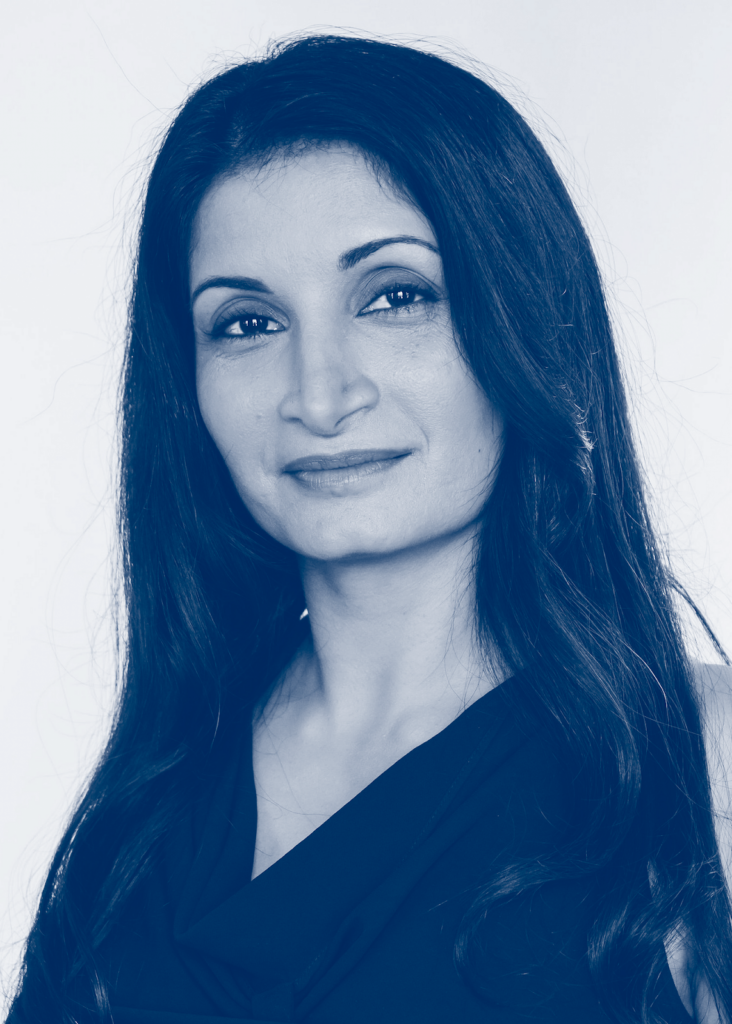
7. Indu Subaiya, MD, MBA (Health 2.0 / HIMSS ecosystem)
Who she is
Indu Sabaiya is a translator between two worlds: the people who build healthcare technology and the people who have to live with it. Her influence comes from shaping the conversations that determine what gets adopted – and what gets dismissed as hype – by leaders who can’t afford failed rollouts.
Why she’s on this list
Shaping what gets adopted – and what gets dismissed as hype – by the people responsible for outcomes is where Indu’s influence lies. She is a Senior Advisor and co-founder of Health 2.0, with leadership at Catalyst @ Health 2.0 focused on digital health partnering and pilots.
What SMB healthcare leaders can copy this week
- Ask vendors: “What does implementation look like with a 2-person IT team?”
- Require proof of adoption, not just features: onboarding time, training model, support model.
- Pressure-test integration claims: “Show me where data flows and who supports it.”
Where her approach shows up in real operations
SMB-friendly innovation is measurable: lower adoption friction, clearer ownership, fewer hidden dependencies.
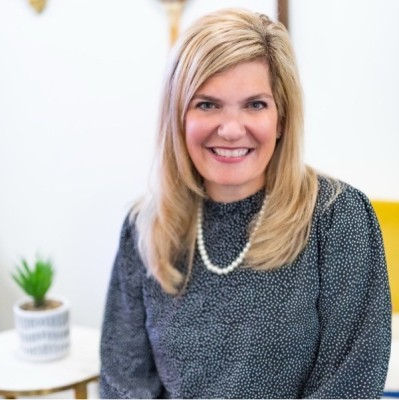
8. Leah Ray (Linus Health)
Who she is
An implementation-minded operator in a category that often over-indexes on innovation. Leah Ray’s focus is on what happens after the sale: onboarding, support, enablement, and building a customer experience that makes digital health stick in real care settings.
Why she’s on this list
She owns the hardest part of digital health: the post-sale reality. Leah is responsible for implementation, customer success, customer support, and product operations – functions that determine whether a solution becomes routine clinical practice or a stalled initiative.
What SMB healthcare leaders can copy this week
- Run implementation like operations: owners, milestones, risk log, and weekly cadence.
- Define “go-live success” in measurable terms (time saved, fewer callbacks, faster screening).
- Treat support as part of patient safety: response paths and downtime procedures.
Where her approach shows up in real operations
Operationalizing digital health is a discipline, especially for SMBs that can’t absorb failed rollouts.
What These Top Women in Health IT Teach SMB Leaders About Digital Health Execution
The “SMB Health IT” operating model
The throughline across these leaders is not a tool preference, it’s operating clarity:
- Governance: Decide who owns what (vendor, internal IT, ops, clinical) so issues don’t bounce.
- Standardization: Devices, access, ticketing, and documentation are “boring” until they fail, then they are everything.
- Security baseline: Make security routine (MFA, patch cadence, backups tested) so it doesn’t become a crisis project.
- Adoption discipline: Train, observe, correct, and document, then repeat.
When to choose co-managed vs. fully outsourced support
- Lean fully outsourced when you’re a “No IT” SMB and leaders are drowning in tech decisions.
- Lean co-managed when you have internal IT but they’re stuck in noise (tickets, patching, onboarding) instead of strategy. Your goal is to protect their bandwidth and reduce burnout.
- Switch providers when trust is broken (poor response, unclear billing, “ghosted” communication) and your operational risk is climbing.
If You’re Scaling a Healthcare Practice, Here’s the IT Baseline to Put in Place
Use this as a practical minimum:
- Standard device stack (models, refresh cycle, warranty ownership)
- Role-based access + documented joiner/mover/leaver process
- MFA everywhere (email, EHR, admin tools)
- Patch management with a defined cadence and ownership
- Backups tested (not just “enabled”)
- Phishing training + clear reporting path
- A single support front door (and a triage model)
- Downtime plan (paper fallback, contact tree, restore steps)
- Vendor inventory (what you pay for, what it does, who owns it)
- A monthly “IT ops” review that focuses on trends, not tickets
If you want this baseline delivered as a predictable operating model (instead of a constant fire drill), explore how Cortavo structures managed IT for SMBs with flat-fee planning and standardized support.
FAQs
Who are the top women in health IT right now?
The best “top women in health IT” lists are the ones that translate leadership into repeatable outcomes: standardized workflows, safer operations, measurable adoption, and clearer ownership. That’s why this ranking emphasizes SMB applicability and verified roles.
What’s the difference between health IT, digital health, and health informatics?
Health IT: the systems and infrastructure that run care operations (EHR, networks, identity/access, support).
Digital health: technology-enabled care and engagement (remote monitoring, patient navigation, digital therapeutics).
Health informatics: using clinical and operational data to improve decisions, outcomes, and workflows.
How do you evaluate ranked female healthcare tech leaders if you run an SMB practice?
Use a simple test: can you clearly explain (a) what they built or scaled, (b) how it changes day-to-day operations, and (c) what you can copy this quarter with your current team size.
What matters more for SMBs: features or implementation?
Implementation. SMBs don’t have spare bandwidth for long “time-to-value.” Prioritize vendor support model, training, integration clarity, and ownership, then features.
What should small healthcare organizations prioritize first: cybersecurity, EHR optimization, or interoperability?
Start with cybersecurity baseline + operational reliability (uptime, support, identity/access). Then optimize EHR workflows. Interoperability becomes far more achievable once your internal operations are stable.