
Managed Service Providers (MSPs) sit at the intersection of people and technology. Your tools matter, but your team culture matters more. In a high-velocity environment of tickets, SLAs, cybersecurity pressure, and always-on client expectations, the “best places to work in tech” aren’t built with slogans. They’re built with operational discipline, leadership clarity, and a genuine people-first approach.
This list spotlights 10 US-based female MSP founders/CEOs/Presidents who are building workplaces designed to retain talent, grow careers, and deliver great service.
How We Vetted These Female MSP Leaders
To keep this practical for SMB and mid-market readers, every leader here meets the same criteria:
- MSP leadership role required: Founder, CEO, or President (not “VP at a hyperscaler” or “startup exec”)
- Clear managed services credentials: operating an MSP (or managed services provider by definition), serving SMB/mid-market customers
- Evidence of people-first leadership: training investment, retention focus, culture-first messaging, awards/recognition, or documented programs
Top Female Leaders Building Best Places to Work in Tech
1) Tiffany Bloomsky — CEO, Cortavo (Atlanta, GA)

Tiffany Bloomsky earns the #1 spot in a “best places to work in tech” MSP list because she treats workplace quality as an operating outcome, built through predictability, standards, and accountability.
Cortavo’s “all-inclusive” model is engineered to remove the burden of IT for maturing organizations (10–500 employees) by eliminating bill shock, consolidating fragmented vendors, and delivering a turnkey IT department experience. When the business model reduces chaos for customers, it also reduces chaos for the team delivering the service.
Why this creates a better workplace (not just a better service):
- Ownership Over Excuses becomes cultural infrastructure. Instead of rewarding ticket-chasing, the standard is ownership of outcomes: clear responsibility, cleaner handoffs, and fewer “not my problem” loops that burn technicians out.
- A standardized stack reduces “random work.” Best places to work in MSPs are built when engineers aren’t reinventing solutions across wildly different environments. Cortavo’s vertical strategy (with stronger-fit industries like construction, staffing, light healthcare, and nonprofits) supports repeatable playbooks that make delivery calmer and onboarding faster.
- Radical transparency reduces stress for everyone. Switchers coming from low-performing MSPs often arrive skeptical and reactive. A transparent, predictable approach lowers emotional temperature, resulting in fewer escalations, fewer invoice disputes, and fewer late-night “emergency” surprises that crush morale.
- Co-Managed IT protects internal teams (and supports healthier partnerships). For 100+ employee organizations with internal IT, Cortavo’s Techtility™ approach acts as a force multiplier, taking on the operational noise (help desk, patching, security execution) so internal leaders can focus on strategy. That role clarity reduces friction across teams and makes day-to-day work more sustainable.
- Zero-latency hardware is an execution advantage that reduces firefighting. Hardware delays create real workplace stress: stalled onboarding, broken replacements, and constant exceptions. Cortavo’s hardware-as-a-service capability and inventory-driven speed help prevent “waiting weeks” scenarios that inflate ticket volume and frustrate engineers and users alike.
And if you want a practical, forward-looking view of what it takes to grow sustainably (without burning out your team), her breakdown in What Scaling an MSP Into 2026 Really Requires is a strong reference point.
Workplace-building takeaway MSPs can copy: design the service so technicians can win: standardize delivery, enforce ownership, communicate transparently, and remove avoidable friction (especially around onboarding/offboarding and hardware). That’s how you turn culture into a system instead of a slogan.
2) Deana Pizzo — Founder & CEO, I.T. Solutions of South Florida (Florida)

Some MSPs grow by adding tools; stronger MSPs grow by building trust internally first. Deana Pizzo’s leadership is often associated with a steady, relationship-led operating style that suits the SMB environment, where your technicians are the brand your clients experience every day.
Culture signal worth noting: a people-first MSP typically has tight fundamentals: clearer communication norms, consistent client expectations, and fewer “everything is urgent” fire drills. That creates a healthier help desk cadence and makes it easier to retain technicians in a competitive market.
What MSP leaders can copy:
- Create a “non-negotiables” service standard (response expectations, escalation rules, documentation minimums).
- Run structured 1:1s that include skills growth, not just ticket stats.
- Make recognition operational (tie it to outcomes like clean documentation, CSAT, and proactive prevention).
3) Erica Martinez-Rose — CEO & Co-Founder, Tech Rage IT (Florida)

If your MSP wants to be a “best place to work in tech”, clarity in mission matters, especially for hiring. Erica Martinez-Rose’s positioning is direct and relatable to SMB clients, and that kind of brand clarity can also help attract technicians who genuinely want the work (instead of candidates who just want any IT job).
Culture signal worth noting: when the “why” is clear, you reduce misalignment. Teams that understand who they serve (and what “good service” looks like) tend to collaborate more and burn out less.
What MSP leaders can copy:
- Write a one-page “Who we help/how we help” internal charter for onboarding.
- Train technicians in consultative language (so tickets don’t become arguments).
- Set boundaries with clients early; the best places to work have enforceable expectations.
4) Lisa P. Singer — Owner & CEO, Singer Networks (Illinois)
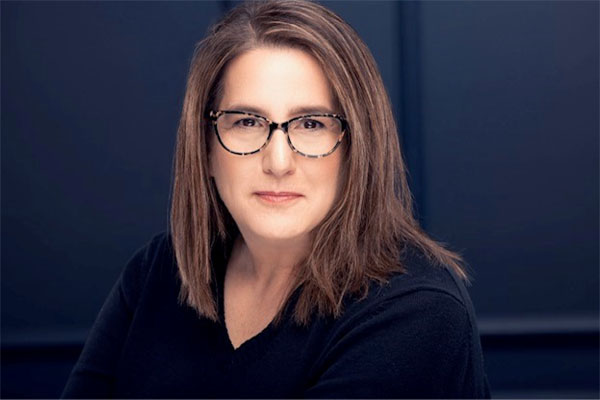
A reliable tell of a healthy MSP culture is whether quality survives change – growth, acquisitions, reorganizations, or client mix shifts. Lisa Singer’s leadership is commonly referenced in the context of building an MSP brand with enough operational maturity to scale and still maintain standards.
Culture signal worth noting: mature MSPs typically invest in process documentation and consistent delivery frameworks. That’s not “corporate”, it’s what protects technicians from chaos and prevents escalations from becoming personal stress.
What MSP leaders can copy:
- Standardize your tech stack and enforce it (exceptions should be rare and documented).
- Build an internal knowledge base that technicians are rewarded for improving.
- Treat “done” as a checklist (security baseline + documentation + client confirmation).
5) Lynn M. Souza — President & CEO, CONNECT Computer (East Coast)

In today’s MSP landscape, the best places to work in tech often have one thing in common: security isn’t bolted on, it’s embedded. Lynn Souza’s leadership is frequently associated with a security-forward orientation that aligns service delivery with modern risk realities.
Culture signal worth noting: when security is a shared responsibility, technicians aren’t left to improvise under pressure. Teams perform better when standards (MFA, backups, patching, endpoint controls) are consistent and non-negotiable.
What MSP leaders can copy:
- Make security baselines part of onboarding for every role (not just the security lead).
- Use runbooks for incidents so escalation is procedural, not emotional.
- Review post-incident lessons as a team, without blame, then update the process.
6) Sheryl Hanes — President & Owner, Vintage IT Services (Austin, TX)

Not every MSP culture win is flashy. Sometimes it’s the quiet discipline of consistent delivery: clear roles, repeatable processes, and leadership that protects the team from perpetual urgency. Sheryl Hanes’ operator profile aligns with that “sustainable service” mindset.
Culture signal worth noting: best-place MSPs typically separate “high priority” from “high anxiety.” That requires leadership to set client expectations, resource properly, and defend focus time for proactive work.
What MSP leaders can copy:
- Create capacity rules (e.g., max ticket load per tech before reassignment).
- Block weekly time for proactive maintenance and documentation.
- Establish an on-call rotation that’s fair, compensated, and actually predictable.
7) Suzanne Smolyar — CEO, Tauto (New York, NY)

Vertical focus can be an underrated culture tool. Suzanne Smolyar’s MSP positioning is notably hospitality-centric, and specialization often makes it easier to train teams, standardize workflows, and build confidence faster, especially for newer technicians.
Culture signal worth noting: specialization reduces “mystery work.” When your technicians see similar environments repeatedly, they develop mastery. Mastery improves morale, decreases escalations, and supports internal promotions.
What MSP leaders can copy:
- Pick 1–2 verticals and build playbooks (apps, compliance basics, common issues, fix patterns).
- Create role-based learning paths tied to your vertical stack.
- Turn repeat issues into automation or standard remediation templates.
8) Lisa Niekamp-Urwin — Founder, President & CEO, Tomorrow’s Technology Today (Ohio)

You don’t build a “best place to work in tech” by asking your team to “care more.” You build it by making success easier: better systems, better clarity, better training. Lisa Niekamp-Urwin’s founder-led MSP profile aligns well with the kind of operational ownership that supports that outcome.
Culture signal worth noting: founder-led MSPs can create a strong culture when the leader formalizes expectations early, before growth forces chaos.
What MSP leaders can copy:
- Define career ladders with skill milestones (not tenure-based promotions).
- Standardize onboarding so new hires don’t learn by panic.
- Track leading indicators like documentation quality and re-open rates, not only volume.
9) Brittany Fugate — Founder & CEO, Cenetric (Kansas City, MO)

Transitions (growth, acquisitions, leadership changes) are where workplace culture is stress-tested. Brittany Fugate’s founder/CEO profile is often cited around business evolution; an important lens for MSP executives who want scale without culture debt.
Culture signal worth noting: healthy MSPs make values operational during change: communication cadence, clear role expectations, and stability in “how we work,” even if org charts shift.
What MSP leaders can copy:
- Communicate change using a consistent rhythm (weekly updates > rumor control).
- Preserve team rituals: standups, retros, learning sessions.
- Document “what won’t change” (service standards, escalation rules, quality bar).
10) Sharon Woods — President & CEO, ITS Telecom (New York / Tri-state)

If you want to build a “best place to work in tech” inside the MSP space, you need leadership accountability tied to delivery outcomes. Sharon Woods’ President/CEO role aligns with the operator model where service performance, client expectations, and internal culture are connected at the top.
Culture signal worth noting: teams stabilize when leadership actively aligns incentives: rewarding clean execution, proactive prevention, and customer outcomes, not just frantic responsiveness.
What MSP leaders can copy:
- Define measurable “good work” (CSAT, first-contact resolution, secure baselines).
- Coach communication skills; many escalations are expectation failures.
- Build a culture of prevention: recurring issues become projects, not permanent tickets.
What MSP Leaders Can Copy to Build a Best Place to Work in Tech
If you want the practical blueprint behind these leaders, it typically comes down to five operating moves:
- Define “great support” in writing
Escalation paths, response standards, and what “done” looks like.
- Engineer predictability into service delivery
Standardize stacks, reduce tool sprawl, and productize where possible.
- Train like you mean retention
Certification pathways, mentorship, and clear progression (Level 1 → Level 2 → Level 3).
- Protect the humans doing the work
Capacity planning, on-call fairness, no-hero culture, and realistic SLAs.
- Measure what matters
Employee experience signals (retention, promotion velocity) and client outcomes (CSAT, security posture), not ticket volume alone.
Final Thoughts
Building one of the best places to work in tech isn’t reserved for venture-backed giants. In the MSP world, it’s earned through repeatable execution: clear service design, training investment, and leadership that protects the team while raising the bar on delivery.
If you’re an SMB leader evaluating how IT support impacts productivity, security, and employee experience, start by benchmarking your current model against a modern managed services approach, then build from there.
FAQ
What does “best place to work in tech” mean for an MSP?
A best-place MSP balances service excellence with sustainable workload, clear career growth, and leadership behaviors that reduce chaos (process, tooling, and accountability).
How do MSPs reduce help desk burnout?
The most effective levers are: standardized endpoints, clean documentation, real escalation support, capacity planning, and leadership that treats overtime as a signal, not a badge.
What benefits matter most in MSP roles?
Beyond healthcare and compensation, technicians consistently value: predictable schedules, certification support, clear promotion criteria, autonomy, and strong internal knowledge bases.
How do I tell if an MSP is a “good place to work” before I accept a job?
Look for signals of operational maturity, not just perks. In interviews, ask questions that reveal whether the MSP runs on process (healthy) or heroics (burnout-prone):
“What does a normal week look like for this role?” (Listen for predictable capacity vs constant emergency mode.)
“How do you handle escalation and after-hours?” (Clear rotation, documented runbooks, compensation, and realistic expectations.)
“What’s your documentation standard and tool stack?” (Good MSPs standardize to reduce chaos.)
“What’s the career path from this seat in 6–18 months?” (A real growth plan is a retention strategy in practice.)
A healthy MSP can explain these clearly, without defensiveness or vagueness.
Why is burnout so common in MSPs, and what actually fixes it?
Burnout is common in MSPs because technicians often face high complexity + demanding customers + inefficient systems + security pressure, all at once. The fixes are operational (not motivational):
Reduce noise: standardize endpoints, tools, and client environments to cut “randomness.”
Define boundaries: enforce SLAs, ticket triage rules, and escalation paths so “everything” isn’t urgent.
Capacity planning: set realistic per-tech ticket loads and protect focus time for proactive work.
Improve retention levers: flexible work options, clear progression, recognition, and leadership transparency reduce churn.